Small rental properties
Buying a duplex? Plan for the month only one unit pays rent.
Two rents can support one property, but they may start on different dates. Build a unit-by-unit cash plan before you commit to a duplex purchase.
Pillar Private Lending · · 3 min read
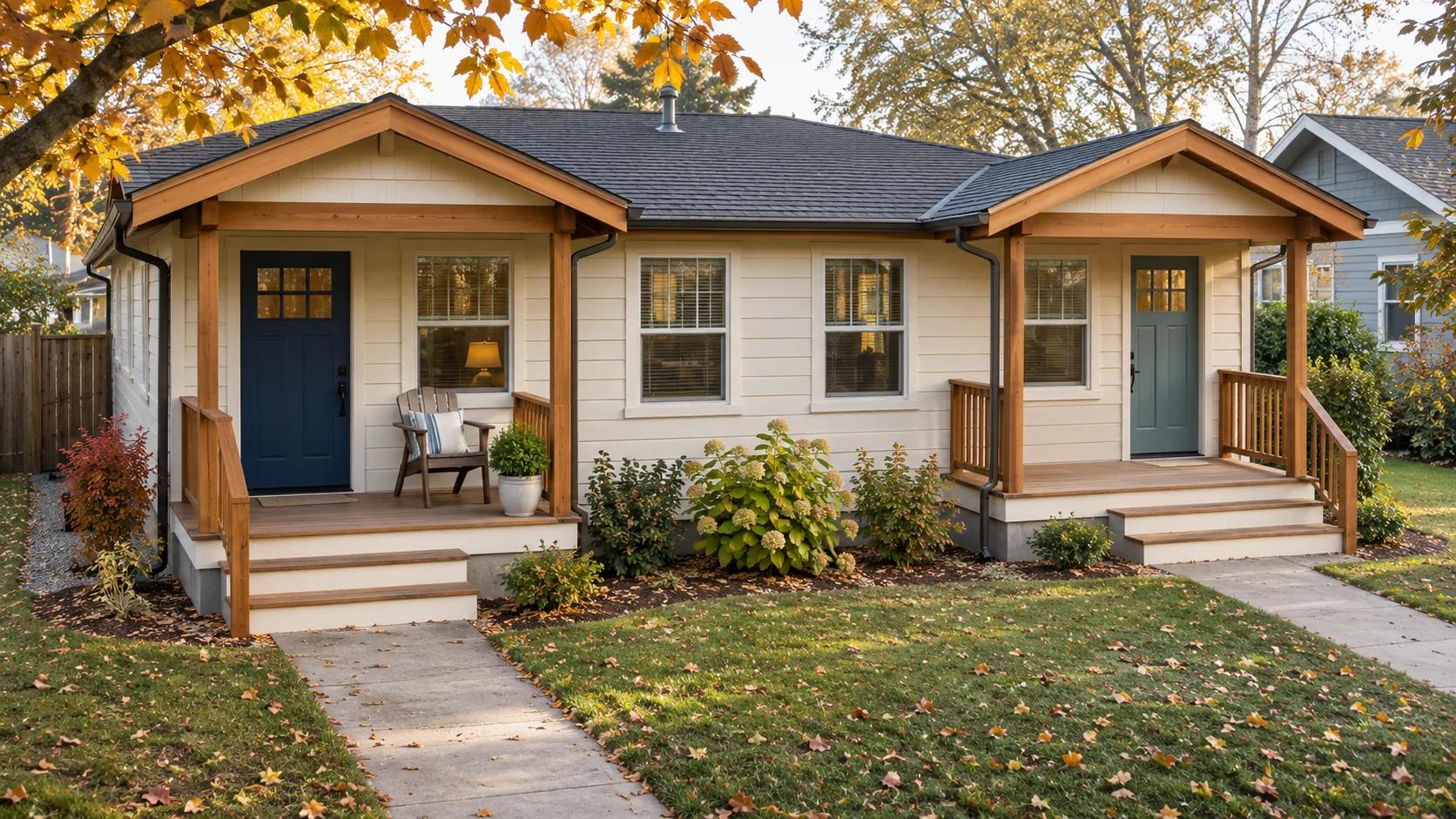
A recent vacancy update makes the first few months worth a closer look
On October 28, 2026, the Census Bureau reported a national rental vacancy rate of 7.6% for the third quarter, up from 7.3% in the second quarter. That national snapshot gives investors useful context. For a duplex you are considering, build the purchase plan around each unit's actual lease, condition and expected move-in date.
A duplex offers two sources of rent under one roof. Knowing when each begins can help you decide what cash to keep after closing. Start your application with the property's current occupancy details, or check loan options while you gather the leases and repair estimates.
Give each unit a line in your worksheet
For the occupied unit, record the lease rent, payment history, expiration date and any agreed concessions. For the empty unit, record the work still needed, its cost, a realistic ready-to-show date and local evidence for the proposed rent. Ask a property manager how long comparable units have taken to lease, and allow time between a signed lease and the first rent payment.
Then list the expenses for the whole building. The mortgage payment, property taxes, insurance and many maintenance costs continue while one side is empty. Check shared water, lawn care and other owner-paid services. If the units have different layouts or utilities, estimate their rents separately.
Turn the lease-up period into a cash amount
Here is a simplified hypothetical. Unit A collects $1,700 a month. Unit B could collect $1,500 once leased, but you budget two full months with no rent from B. Assume monthly principal and interest of $1,800 and another $700 for taxes, insurance and ongoing operating costs. Keep those assumed costs constant during the example.
With both units paying, $3,200 of rent less $2,500 of costs leaves $700 per month before income taxes and additional reserves. While only A pays, $1,700 less $2,500 produces an $800 monthly shortfall. Add a separate $1,200 estimate for preparing B, and those two months require $2,800 of cash.
That $2,800 covers the modeled shortfalls and preparation work. Set aside additional cash for repairs, delayed leasing or a payment interruption in A. In this scenario, each additional full month without B's rent adds another $800 to the modeled shortfall, before any extra costs.
| Monthly rent collected from Unit A | $1,700 |
|---|---|
| Monthly payment and ongoing operating costs | $2,500 |
| Monthly cash shortfall while Unit B is empty | $800 |
| Two months of shortfalls plus $1,200 preparation work | $2,800 |
Discuss the vacant unit before setting the closing date
Pillar's rental purchase financing includes duplexes, subject to property and borrower review. Bring the current lease, rent history, proposed rent for the second unit and its repair scope. Ask how current occupancy and condition affect eligibility, which rental-income evidence is needed and whether any work must be completed before closing. A future rent estimate needs to be reviewed in the financing process.
Your realtor or referral partner can help assemble the dates and documents so you can discuss the whole purchase with Pillar. Keep the cash for the first months alongside your down payment and closing-cost figures. Start your application for a property-specific review, or check loan options while you compare a duplex with the rest of your shortlist.
Share this article
Copy HTML code creates an email teaser with this article’s image and link. Paste into your email platform’s HTML editor and keep its mailing address and unsubscribe footer.
Explore financing for this strategy
General educational information. Illustrations are not loan offers or commitments. Financing is subject to property and borrower review, program availability, and applicable terms.